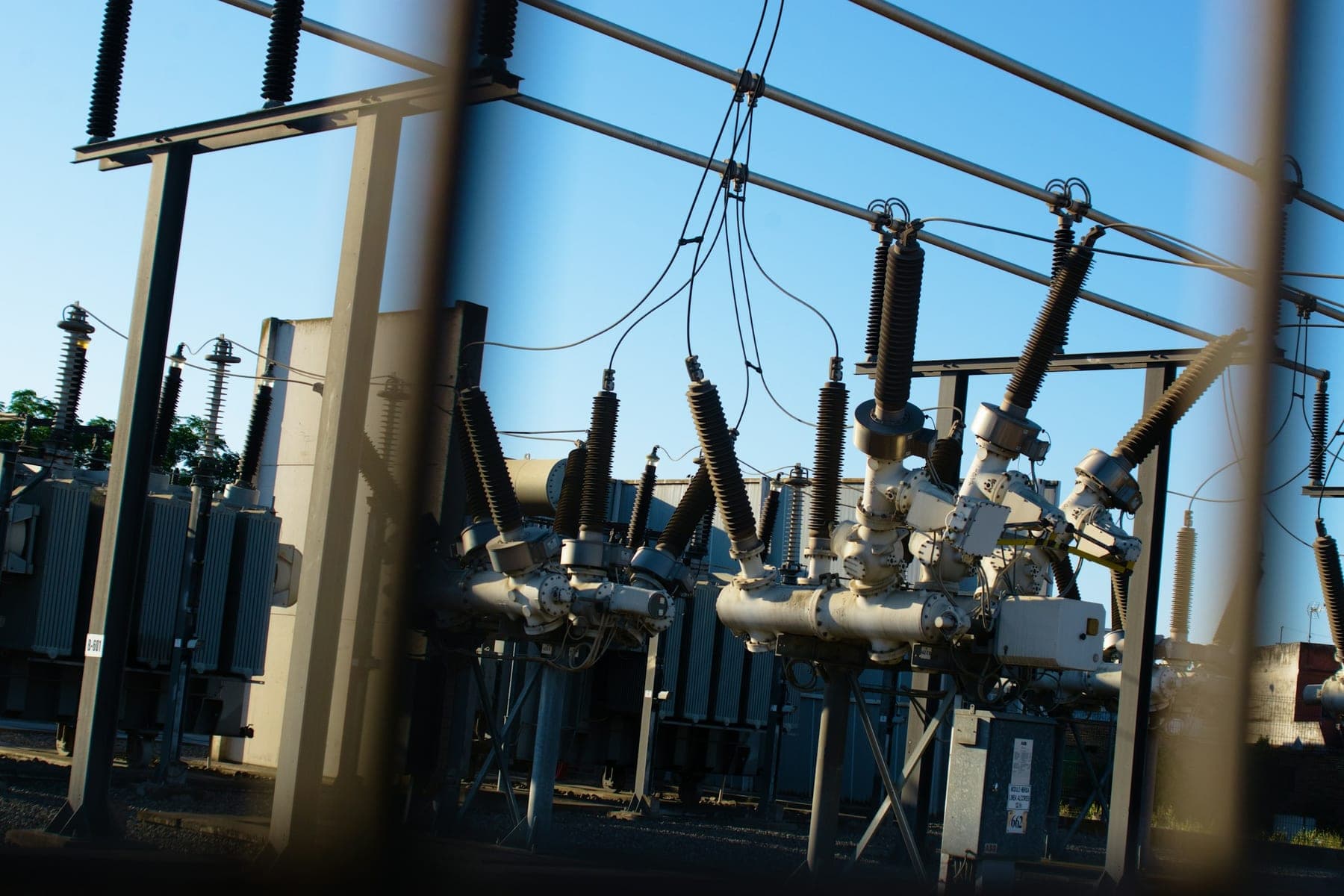
Land marketed as powered is doing a great deal of work with one adjective. It usually means a utility has written something encouraging about available capacity. It rarely means the site can be energized on the date the model assumes, and it almost never means the site can carry the building program the buyer has in mind.
Those are three separate questions. They are answered by three different parties, on three different timelines, and they fail independently of one another. Collapsing them into a single line in an acquisition model is the most expensive assumption in digital infrastructure.
What a capacity letter actually commits to
A capacity letter is a statement about the utility's system, not about your project. It typically confirms that capacity exists somewhere in the network, subject to study, subject to upgrades that have not been scoped, and subject to a queue the letter does not describe. It is not an allocation. It is not a contract. In most jurisdictions it does not survive a change of ownership without re-application.
The questions that determine whether the capacity is real are the ones the letter does not answer. Where does the capacity physically terminate, and how far is that from the site boundary? What network upgrades are triggered, who designs them, and who pays for them? Is the capacity firm or interruptible? What happens to it if the load profile changes between now and energization?
Why an energization date is a forecast
An energization date is the output of a queue, a study process, and an equipment order. The owner controls none of the first, influences little of the second, and can only act on the third once the design is mature enough to specify what to buy.
Queue position is set by application date and cannot be bought forward. The study process runs on the utility's resourcing, not the project's. And the equipment behind the connection — transformers, switchgear, and the protection package that goes with them — carries lead times that have recently been measured in quarters rather than weeks.
A date that depends on a queue you did not join early enough is not a schedule. It is a hope with a number attached.
The practical test is whether anyone can show the derivation. If the energization date cannot be traced back to a queue position, a study status, and a placed order, it is an assertion.
The site conditions that make powered land unbuildable
Even where power is genuinely secured, the site may not carry the program.
Plot ratio is the first constraint. The building footprint, the electrical yard, the generator compound, and the cooling plant all compete for the same acreage, and the cooling decision — usually made later — can double the area the mechanical plant requires.
Water is the second. A cooling strategy that depends on evaporative capacity requires a supply agreement and a discharge consent, both permitting processes with their own timelines. Discovering the discharge constraint after the land is committed removes the cheapest cooling options from the table.
Access, easements, and the route for the incoming feed are the third. The line has to cross something. Whoever owns that something becomes a party to your schedule.
How the three collapse into one
The conflation is structural rather than careless. Acquisition models are built by transaction teams working to a bid deadline. Power, water, and buildability arrive as a single input — the site is powered — because that is the granularity the model was built to accept.
The result is that a technical assumption becomes load-bearing for a commercial decision, and nobody in the room owns it.
What independent validation looks like
The remedy is not more diligence in general. It is three specific answers, from three named owners, before capital is committed.
Someone must own the interconnection position: the queue application, its date, its study status, and the network upgrades it triggers. Someone must own utility strategy beyond electricity: water supply, discharge, and the permitting pathway for both. And someone must own buildability: whether the program, the electrical yard, the cooling plant, and the access route all fit the site at the same time.
Where those three answers exist and agree, powered land is a real asset. Where they do not, the adjective is doing the work the diligence should have done.