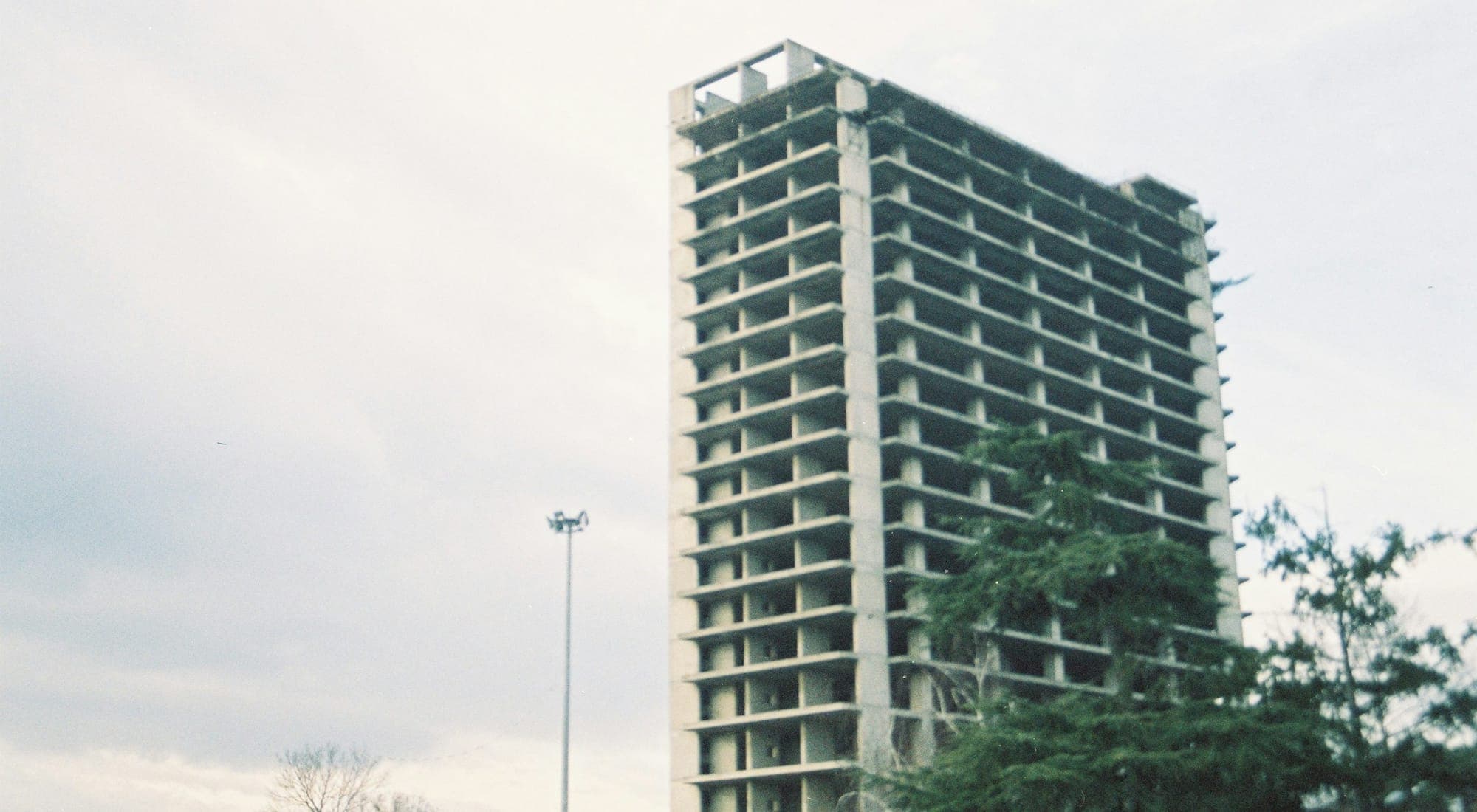
Projects in difficulty pass through a door that only swings one way. On one side, the parties are still trying to finish the job. On the other, they are building a record for the dispute they now expect. Everything after that door is more expensive, slower, and less likely to produce a good asset.
The door is not marked. It is usually crossed weeks before anyone acknowledges it, and it is visible in correspondence long before it appears in cost.
The signals that the shift has happened
Watch the correspondence, not the cost report.
Letters that previously proposed solutions begin to record positions. Notices are issued for events that would once have been handled in a meeting. Requests for information multiply, and their tone changes from inquiry to entrapment — questions asked not to obtain an answer but to establish that an answer was not given.
Meeting minutes become contested. Someone starts issuing their own version. Attendance shifts: commercial managers appear where project managers used to be, and decisions that were made in the room are now taken away for review.
When the parties stop solving the problem and start building the file, the project has changed category. Cost and schedule are now outputs of a legal strategy, not of a delivery plan.
The tell is that none of this shows up in the monthly report. The reported position may still be stable while the underlying relationship has already failed.
Why the window is short
The shift is self-reinforcing. Once one party begins protecting its position, the others must respond in kind or accept a disadvantage. Nobody can unilaterally stand down.
It is also expensive in a way that compounds. Time spent on the record is time not spent on the work. Decisions slow because each one is now assessed for its evidential consequences. Contractors price change defensively. Subcontractors, sensing exposure, tighten their own terms.
An owner who acts before the shift is negotiating about a project. An owner who acts after it is negotiating about a claim, and the project is merely the thing the claim is attached to.
Establishing a single account of the project
The first move in any recovery is not commercial. It is factual.
A project in difficulty typically has several competing accounts of itself: the contractor's, the design team's, the internal team's, and the sanitized version that reaches the board. Each is defensible from where it sits. None is complete, and no useful decision can be made while they coexist.
Establishing one agreed account means reconstructing what was actually built, actually spent, actually instructed, and actually delayed — from records rather than recollection. It is unglamorous and it is the only foundation a recovery can stand on. It also has a secondary benefit: the process of agreeing the facts often reveals that the parties disagree less than they believed.
What can still be recovered
Inside the window, a great deal. Schedule can be re-sequenced. Scope can be trimmed against value. Procurement can be restructured. Governance can be repaired, which is frequently the actual problem — projects rarely fail because people cannot build; they fail because nobody can decide.
Outside the window, less. The commercial position hardens, the contractual remedies narrow, and the cost of any change now includes its effect on the dispute.
Structuring a recovery that does not become evidence
This is the part owners most often get wrong. A recovery exercise conducted carelessly produces exactly the document the other side wants: an internal admission of the owner's own failings, written in plain language, discoverable later.
The discipline is to separate the diagnostic from the commercial position. Establish the facts. Establish the plan. Take advice on how the record is created, by whom, and under what privilege, before the work starts rather than after.
Recovery is possible for longer than most owners fear and for less time than they assume. The determining variable is not the size of the overrun. It is whether the parties are still trying to finish.