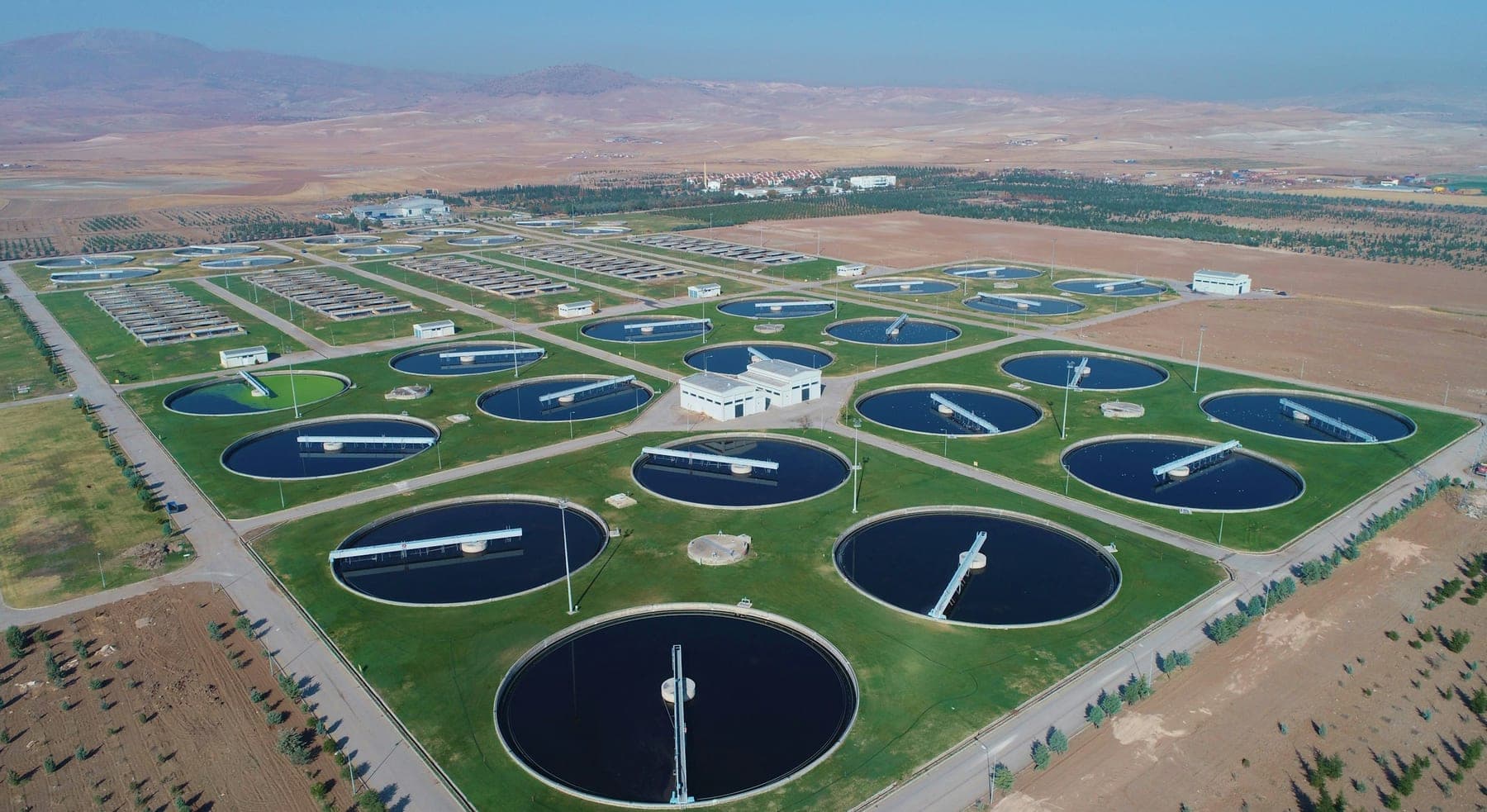
Water treatment projects are unusual in that the most consequential technical decision — the treatment train — is often taken before the most important input is known.
Source water characterization is time-consuming. It requires sampling across seasons, because influent quality varies with rainfall, temperature, agricultural cycle, and upstream activity. A single sampling campaign in one season describes one condition, not the design basis.
Projects under schedule pressure routinely select a process against partial characterization, contract it, and discover the variance later.
Why the sequence is hard to fix
The pressure is structural. Funding awards, regulatory deadlines, and consent conditions frequently carry dates that do not accommodate a full characterization program. The project must show progress, and process selection is the visible milestone available.
Once selected, the process propagates rapidly. It determines the plant footprint, the hydraulic profile, the chemical systems, the residuals handling, the power demand, and the operator skill requirement. Each of those is then designed, procured, and often contracted.
Reversing the process selection after that point is not a design change. It is a different project.
A treatment train selected against assumed influent is a commercial commitment made on a technical guess. The guess is usually reasonable. It is the commitment that causes the problem.
What varies, and what it costs
The variables that most often surprise are seasonal turbidity, organic loading, temperature-driven changes in biological performance, and the presence of constituents that were not part of the original sampling suite.
Emerging contaminants have added a further dimension. Where a regulatory standard tightens during design or construction, a process selected against the previous standard may not comply on the day it commissions — and the residuals from some treatment approaches carry their own disposal consequences that were not priced.
The cost of getting this wrong is rarely a single number. It appears as reduced throughput, elevated chemical consumption, unplanned residuals volumes, and an operating cost that exceeds the business case for the life of the asset.
Funding structure constrains delivery model
A second constraint sits alongside characterization and is equally often discovered late.
State revolving funds, grant programs, and rate covenants carry procurement conditions. Some require competitive tender in a form that precludes design-build or progressive delivery. Some impose local sourcing requirements. Some restrict the timing of expenditure in ways that conflict with an optimal procurement sequence.
The effect is that the delivery model is frequently determined by the funding structure rather than chosen on delivery grounds. Where that is understood at the outset it can be planned around. Where it is discovered after a delivery model has been assumed, the procurement has to be restarted.
Operator readiness is a design input
The third pattern is that operator capability is treated as a training exercise at handover rather than a design constraint.
A process that is optimal on paper but requires operating skill the utility does not have, and cannot readily recruit, will underperform regardless of how well it was built. Where the operating organization is involved in process selection, the selected train tends to be simpler, more tolerant, and better run.
The gate that helps
Before process selection is contracted, three things should exist: characterization across at least the range of seasonal conditions the design must tolerate; the regulatory pathway confirmed against the standard likely to apply at commissioning rather than the one applying today; and the funding conditions mapped against the intended delivery model.
None of the three is expensive relative to the cost of selecting the wrong train. All three are routinely compressed by a deadline that will still be there after the mistake is made.